Tag: #game design
19 Bookmarks
Sid Meier's Interesting Decisions
In this 2012 GDC session, Firaxis Games' Sid Meier examines what types and categories of decisions are inherently interesting in the process of game design.

A Guide to Game Balance — erik still
This guide sets out to elucidate exactly what balance is, why it’s important, and how we can keep a game balanced and players happy.
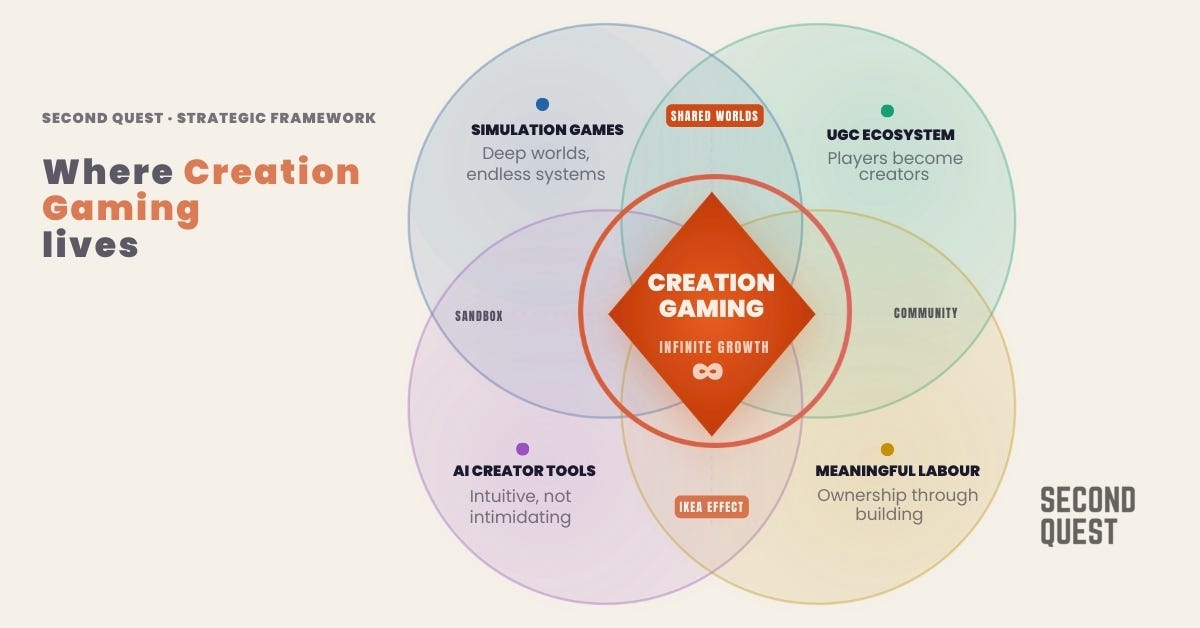
Why We "Love" What We "Build" — and What That Means for the Future of Gaming
The author, Shagufta Khan, believes the future of gaming lies in "Creation Gaming," where players actively build worlds rather than passively consume them. Drawing from her 18 years in media, she observed that people value what they help create, a phenomenon known as the IKEA Effect. Her studio, Second Quest, aims to empower players by providing simulation games as UGC platforms, utilizing AI to make creation tools accessible. Two current projects, "Model Trains" and "Lorekraft," exemplify this approach by offering expansive building and storytelling experiences. Khan's core bet is that fostering a sense of ownership and community through player-driven creation will lead to more engaging and lasting gaming experiences.
Accelerating Creation, Powered by Roblox’s Cube Foundation Model | Roblox
Roblox is introducing 4D generation, powered by its Cube Foundation Model, which adds interactivity to 3D objects. This technology allows players to generate functional objects like cars that can be driven using simple text prompts. Developers are already seeing increased player engagement and playtime with this feature. The system uses "schemas" to define object parts and behaviors, enabling dynamic functionality. Roblox plans to expand this to generate entire scenes and more complex interactive elements through natural language prompts.

MinionsArt Tutorials
"MinionsArt Tutorials" offers a variety of tutorials for shaders/shadergraph
GameAnalytics x Deconstructor of Fun Masterclass
Join GameAnalytics and Mishka Katkoff for a four-part masterclass on data strategy, acquisition, retention, and monetization. Designed to help you build, scale, and sustain successful games.

Introversion on Subversion and Prison Architect Rezzed Session
Introversion Rezzed Session on Subversion and Prison Architect

Fail Masterclass #9 - Subversion
Your mission, should you choose to accept it, is to relieve the Imperial Bank of 151,000,000 USD worth of bullion from the safe in the branch on Main Street. The bank's security systems have been judged inadequate by HQ and should not pose a problem for a team of your calibre. Tools and transport have been deposited at the usual rendezvous. In the event of failure you will be disavowed… In 2007 Introversion attempted to set a heist game in a procedurally generated city. Despite our best efforts over many years our skills were no match for our ambition and we admitted defeat. We called this project Subversion and for the first time you can play with the tech and try your hand at the missions that we did create.

How RimWorld Was Made and Why it’s Not a Video Game
This video chronicles Tynan Sylvester's journey in creating RimWorld, detailing his transition from solo prototyping to a successful Kickstarter campaign by adhering to a strict "value per cost" development philosophy. It explores the game's core identity not as a traditional simulation but as a "story generator," designed around "elastic failure" and simple visuals that encourage players to co-author unique, emotional narratives. The retrospective concludes with RimWorld's massive success on Steam, highlighting its continued evolution through a thriving modding community and five major expansions that have cemented its legacy as a masterpiece of emergent storytelling.

Citystate II: Postmortem - A lesson in game design
The author reflects on the design and marketing shortcomings of Citystate II, a political and economic city builder, noting that its target audience was too narrow and divided between political simulation enthusiasts and Cities Skylines players. Despite positive feedback, the game's complex systems were often misunderstood and overlooked, leading to a lack of player engagement. The author identifies two potential paths forward: Citystate III, a gamified version of the original concept, or Citystate Metropolis, a sandbox-focused city builder. Ultimately, the author leans towards Citystate Metropolis, prioritizing construction and customization tools to appeal to a broader audience, while leaving the door open for deeper systems later. This decision acknowledges the limitations of gamifying complex political and economic systems and aims for a more accessible and engaging experience.
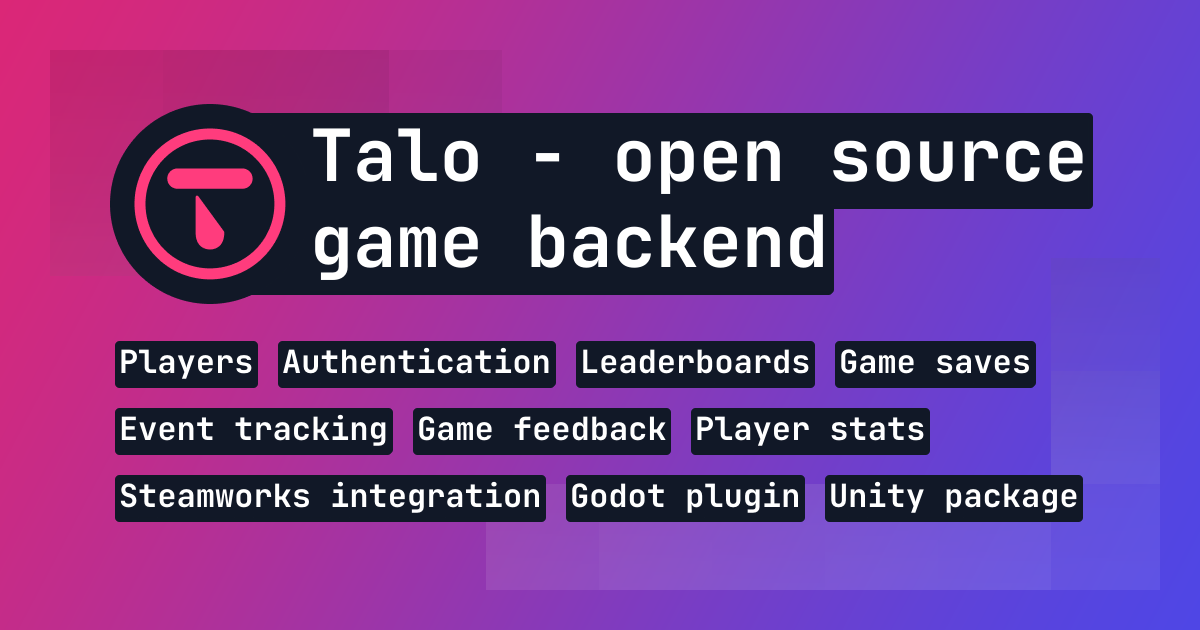
Talo - open source, self-hostable game backend
Talo is a free, open-source game backend service offering leaderboards, player authentication, multiplayer, and more. It integrates easily with Godot and Unity via plugins and an API, simplifying game development. Talo provides a dashboard for managing game data, player accounts, and feedback, along with robust analytics and Steamworks integration. The service handles hosting and infrastructure, ensuring data continuity even with network issues. Data export is available, and the platform is open for community contributions.
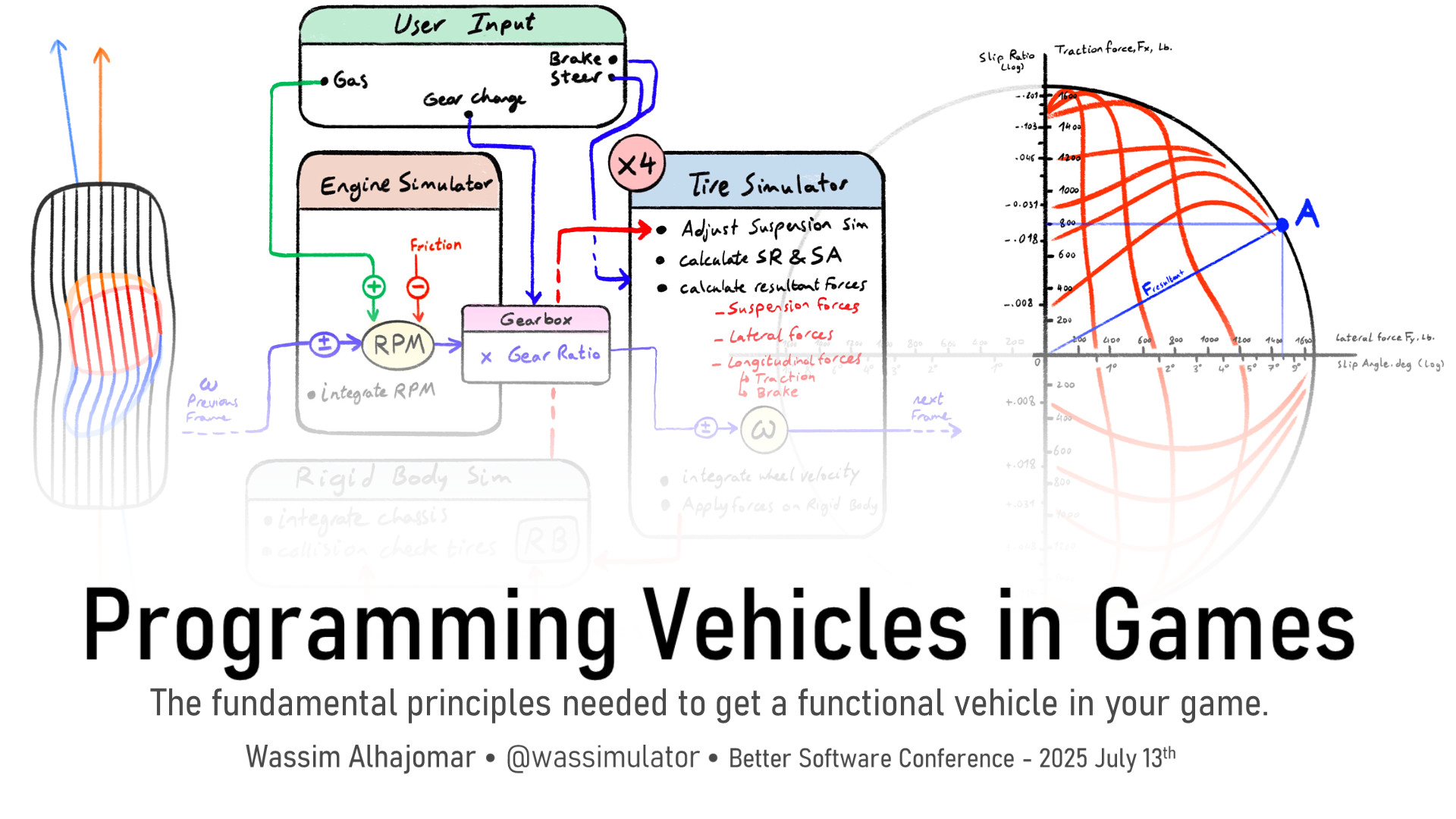
Programming Vehicles in Games
This article details creating realistic vehicle physics in game development, focusing on car simulation. The author emphasizes prioritizing the desired player experience over perfect physics replication, illustrating this with examples ranging from arcade-style games to simulators. The core components of a vehicle simulation are the engine (and gearbox), tires, and chassis, each interacting in a feedback loop. Tire modeling is highlighted as crucial for realistic feel, involving concepts like slip ratio and the Pacejka tire model to represent the complex relationship between tire deformation and generated forces. The author provides simplified equations and code examples to guide developers in implementing these principles. Talk on YouTube - https://youtu.be/MrIAw980iYg?si=ygPpbiS-q3Vkb8HZ
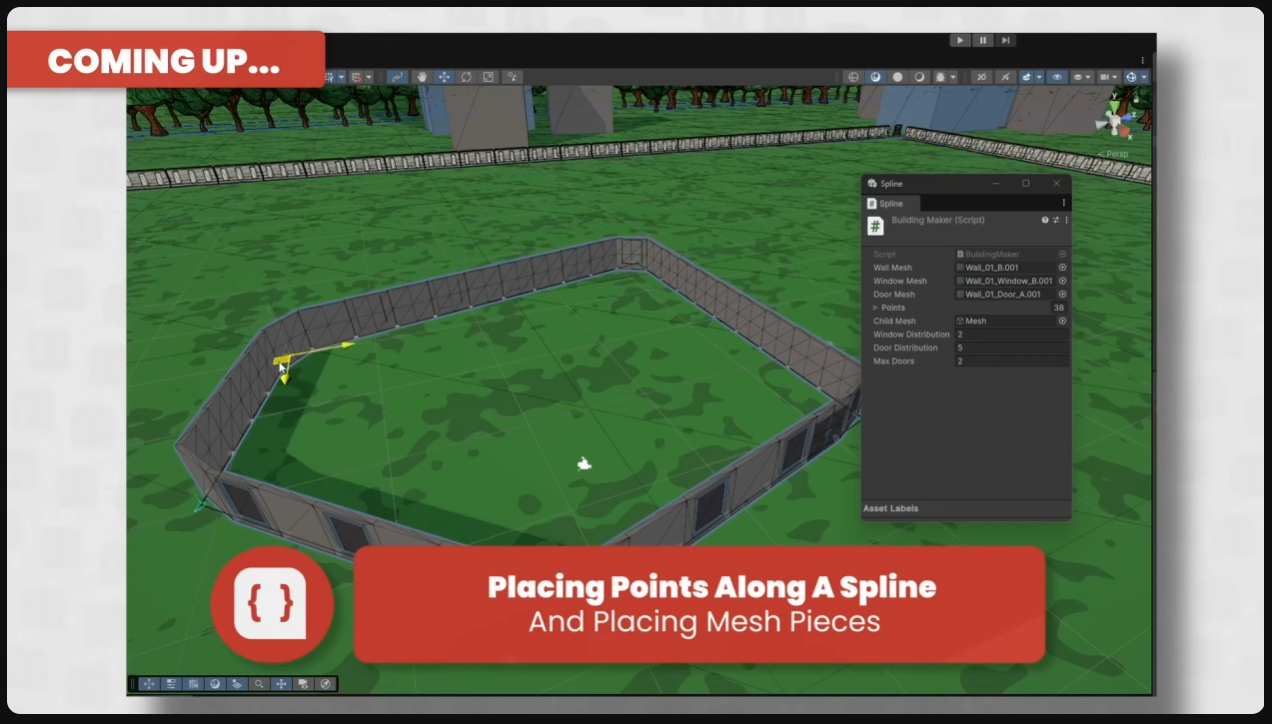
How to Procedurally Generate Buildings using Splines in Unity
Creating buildings in games can be challenging but it's a key part of environment art. From hand-placing modular assets to using full procedural generation, developers employ various methods to layout their levels. So, in this video, I'm going to walk you through how we can use Unity’s Spline Tools to layout wall and window meshes, and procedurally generate the shell of a building for us to use in our level design.
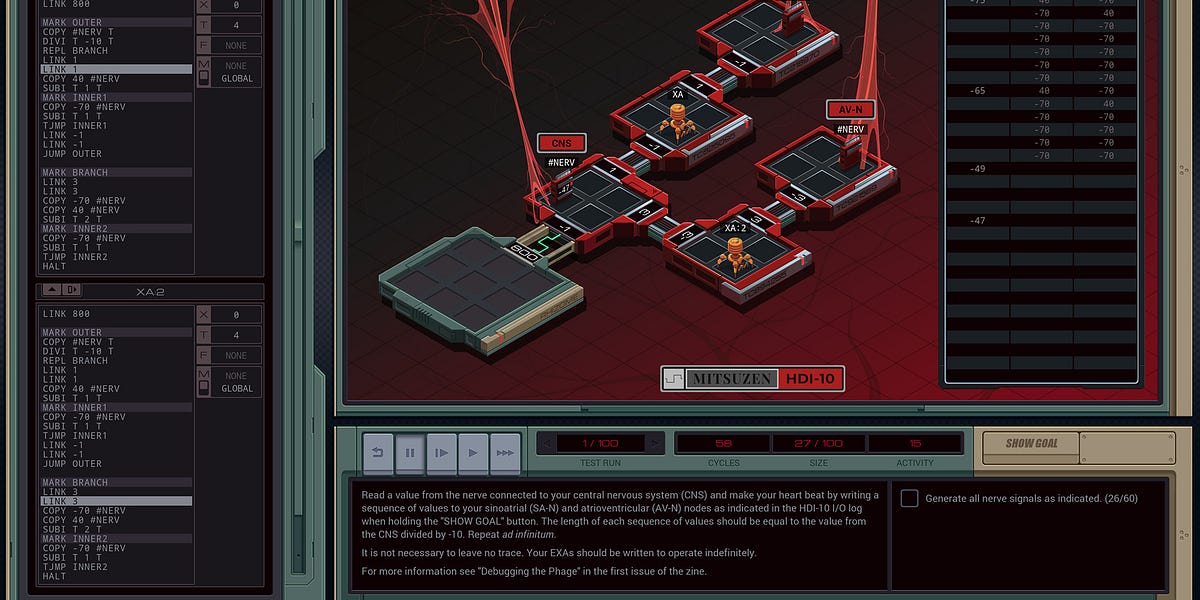
Order of Operations - by Paul Kilduff-Taylor
This article discusses the order of operations in game design, highlighting the challenge of iteratively developing complex systems. The author suggests starting with the core mechanics, establishing player goals and obstacles, and using bounded randomness to test system functionality. Building a simple, linear mission or arena is recommended for early testing and feedback. Iteratively expanding upon this core, adding AI and content, while regularly evaluating the core gameplay loop, is crucial to avoid building excessive content prematurely. The author concludes that while no single solution exists, a structured approach focusing on fundamental interactions and progressive complexity is beneficial.

How to Make a Game That Punches Above Its Weight – The Astronauts
The Astronauts, a Polish game developer, created the award-winning mystery game *The Vanishing of Ethan Carter* and is currently developing the dark fantasy FPS *Witchfire*. Their success stems from "smart choices" in game design, such as efficient asset reuse, and assembling a highly talented and passionate team. A recent blog post discusses these strategies, citing examples from *Witchfire* and other games like *Expedition 33*. The post also highlights impressive fan creations, including a *Witchfire* D&D campaign and audio drama. The developers emphasize the importance of hiring top-tier talent and fostering a passionate, collaborative environment.
A Data-Driven Object System (GDC 2002 Talk by Scott Bilas)
This text is a standard website footer. It includes links to common website sections like About, Press, and Copyright information. It also contains links for creators, advertisers, and developers. Finally, it includes Google's copyright notice for 2025. The text is typical of a large online platform like YouTube.
Reddit - The heart of the internet
A Reddit user analyzed data from 5,773 AA and indie games released in 2024 that earned at least $500 on Steam. The analysis revealed that the top 10% of games account for the vast majority of revenue in both AA and indie categories. Median revenue was significantly higher for publisher-backed games ($16,222) compared to self-published ones ($3,285). High-performing genres included NSFW, simulation, and strategy, while puzzle and platformer genres had lower median revenue. The data is available in a Google Sheet for further exploration.
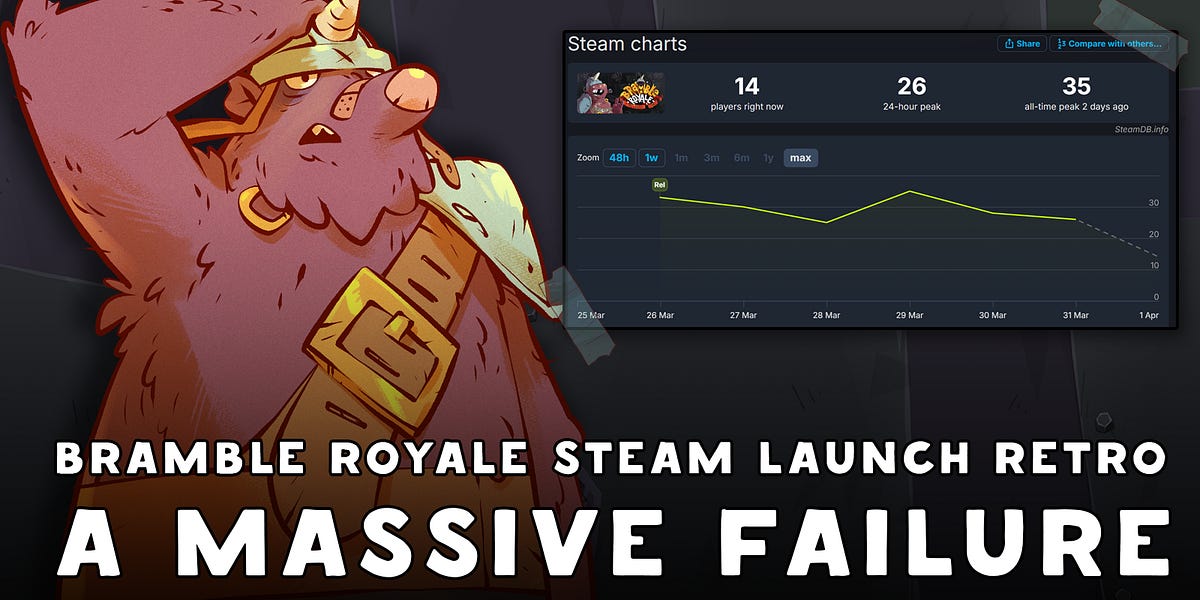
Bramble Royale Steam Launch Retro - Slothwerks’s Substack
Eric Farraro's Substack post details the disappointing Steam launch of his game, *Bramble Royale*, despite positive reviews. The game, a deckbuilder, underperformed significantly against sales projections, selling only 621 units in its first week. Farraro attributes the failure to market saturation in the deckbuilder genre, a lack of a strong marketing hook, and a lengthy development cycle. He reflects on the challenges of indie game development and plans to focus on a mobile port and future projects, learning from this experience. Despite the commercial setback, he remains proud of the game itself.
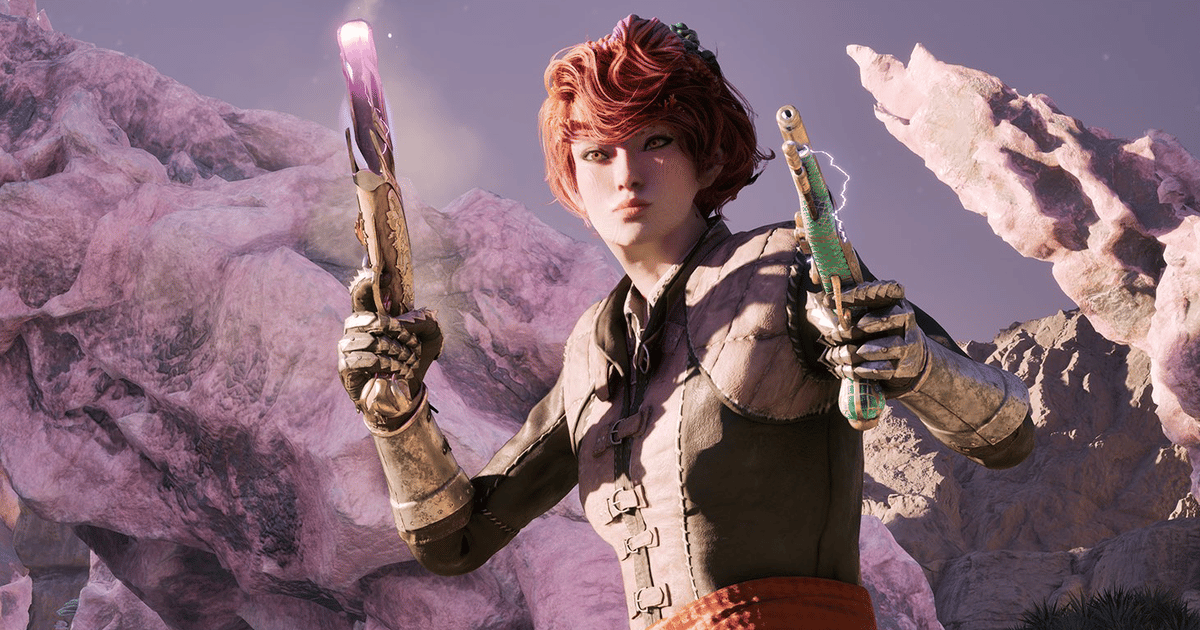
How Avowed's QA team stomped out bugs by working inside the design tools
TechTarget and Informa Tech merged, creating a vast network of online resources for technology professionals. Obsidian Entertainment significantly improved its QA process for Avowed, resulting in fewer bugs and critical acclaim. Their key strategy involved training QA analysts to use the same design tools as developers. This "white box" testing, combined with traditional "black box" testing, fostered collaboration and efficiency. The result was a smoother development process, higher morale, and a better final product. This approach is now recommended to other game studios as a best practice.