Tag: #simulation
15 Bookmarks
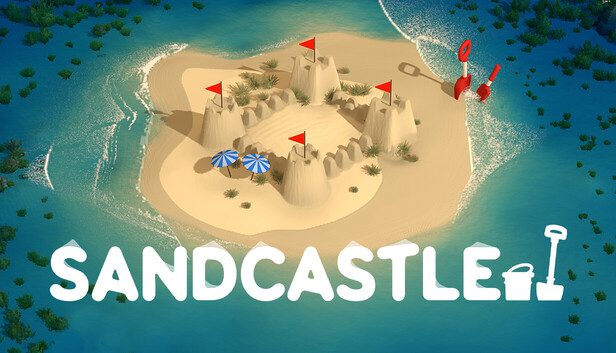
Sandcastle on Steam
On a sun-warmed tropical shore, quietly craft a mighty sandcastle. Carve moats, raise towers and walls, then embellish with driftwood, pebbles, shells and seaweed. Gentle tides, soft surf and a calming color palette turn every build into a peaceful, relaxing moment.
The Ultimate Beginners Guide to Modding Cities Skylines 2
One of the top requests I've had over the last few months is to create a beginners guide to modding. The scope of the project got a bit out of hand, but her...

Trains vs Cliff #3 | BeamNG.Drive
A video with a series of dramatic train crashes generated as a show by a user through BeamNG.Drive - a physics sandbox about vehicles on Steam.

I got to play Transport Fever 3!
The video "I got to play Transport Fever 3!" by City Planner Plays provides an exclusive look at the upcoming sequel, highlighting its polished performance even on mid-range hardware and its new start date of 1900. Key gameplay innovations include built-in advanced traffic signal timing, "Move It" style detailing tools, and a more modern UI that separates road-building for better mod support. The logistics system has been overhauled to include mandatory warehousing and "last mile" delivery, requiring more strategic planning to actually turn a profit. A new "City Prestige" and citizen happiness mechanic shifts the focus from simple money management to thoughtful urban design and placement. While no release date was confirmed, the creator noted the game felt highly stable and feature-complete during his hands-on time in New York.
What is Voyage | Latitude
Voyage is a platform for living, breathing worlds powered by an emergent game engine. Your choices don't just affect the story—they permanently reshape your world. Accept the right quest and change the fate of an entire city. Join a guild and they'll write your name in their records. Hoard enough gold and thieves take notice. Every choice is remembered. Every action has consequences. Every victory is earned.

Rocrail - Innovative Model Railroad Control System
Rocrail is free software for controlling model trains on Linux, macOS, Windows, and Raspberry Pi. It offers manual or fully automatic train control, and can manage accessories like lighting. Multiple user interfaces, including web-based and mobile apps, are available and synchronized. Rocrail is IoT ready and supports both commercial and DIY hardware. The software is actively developed by a community with forums for user interaction and support.

Why Co-Development Still Fails - by Alexander L. Fernandez
Co-development in the video game industry often fails due to leadership avoidance, weak systems, and misalignment, not external factors like geography. Key reasons for failure include spec creep stemming from unmade decisions, the false economy of prioritizing cheapness over quality, and treating partners as mere "hands" instead of leveraging their experience. Effective co-development requires robust infrastructure for real-time visibility and trust, and it must be led by experienced individuals with the authority to make critical decisions. Ultimately, successful co-development is about orchestration and earned trust, not just outsourcing tasks.

How Cairn grabbed 500k demo downloads on Steam/PS5...
The GameDiscoverCo newsletter highlights the success of the unreleased survival-climber game "Cairn," which garnered over 500,000 demo downloads on Steam and PlayStation 5. This achievement is attributed to its excellent gameplay, methodical marketing strategy including participation in numerous Steam festivals, and effective use of Steam's demo visibility features. The newsletter also covers June's top-streamed games, with Grand Theft Auto V leading viewership, and notes the platform debut of Roblox and new entries like Mario Kart World. Other news includes Steam's new performance monitor and potential shifts in consumer spending on leisure activities.

How RimWorld Was Made and Why it’s Not a Video Game
This video chronicles Tynan Sylvester's journey in creating RimWorld, detailing his transition from solo prototyping to a successful Kickstarter campaign by adhering to a strict "value per cost" development philosophy. It explores the game's core identity not as a traditional simulation but as a "story generator," designed around "elastic failure" and simple visuals that encourage players to co-author unique, emotional narratives. The retrospective concludes with RimWorld's massive success on Steam, highlighting its continued evolution through a thriving modding community and five major expansions that have cemented its legacy as a masterpiece of emergent storytelling.

Citystate II: Postmortem - A lesson in game design
The author reflects on the design and marketing shortcomings of Citystate II, a political and economic city builder, noting that its target audience was too narrow and divided between political simulation enthusiasts and Cities Skylines players. Despite positive feedback, the game's complex systems were often misunderstood and overlooked, leading to a lack of player engagement. The author identifies two potential paths forward: Citystate III, a gamified version of the original concept, or Citystate Metropolis, a sandbox-focused city builder. Ultimately, the author leans towards Citystate Metropolis, prioritizing construction and customization tools to appeal to a broader audience, while leaving the door open for deeper systems later. This decision acknowledges the limitations of gamifying complex political and economic systems and aims for a more accessible and engaging experience.
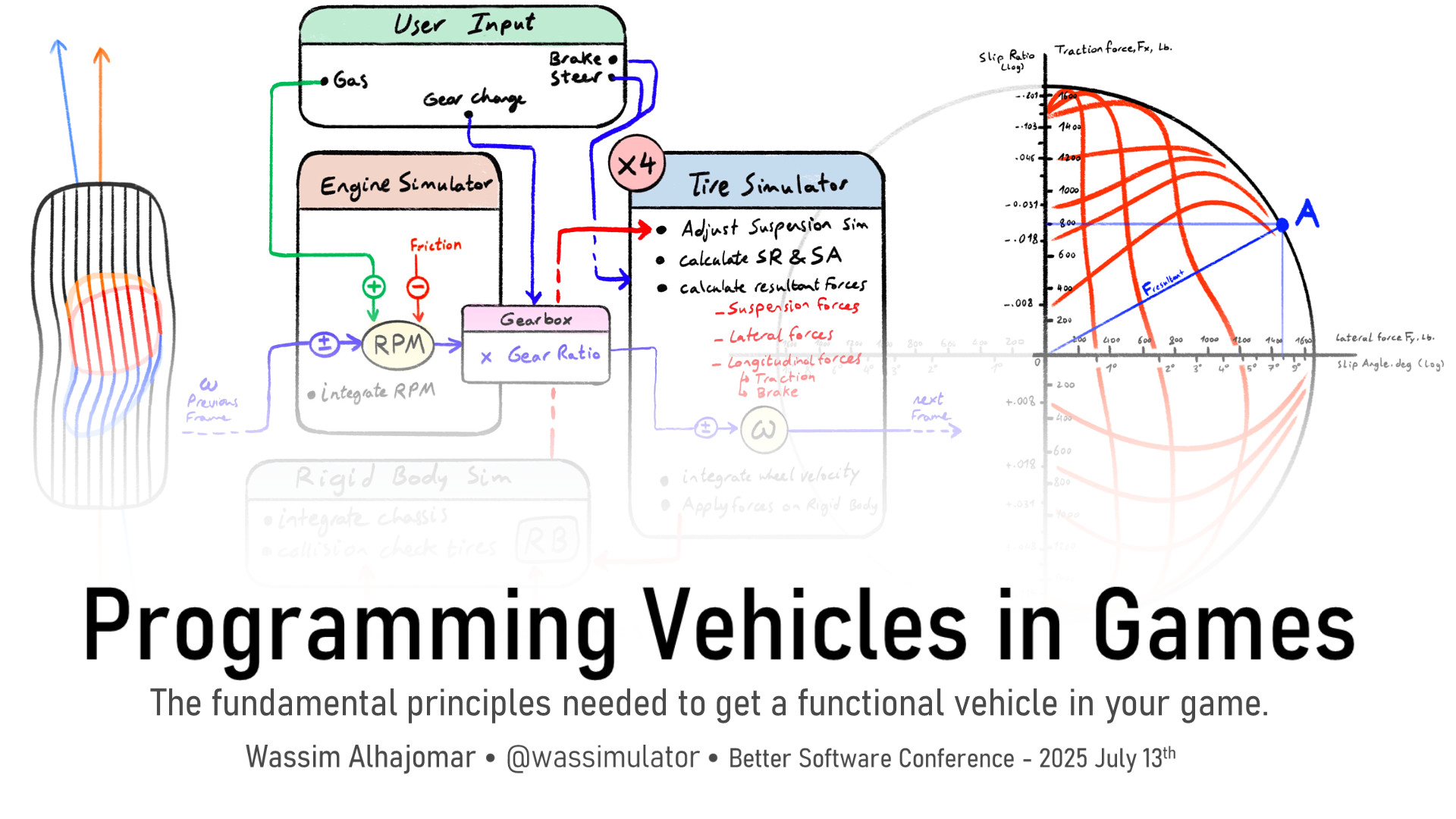
Programming Vehicles in Games
This article details creating realistic vehicle physics in game development, focusing on car simulation. The author emphasizes prioritizing the desired player experience over perfect physics replication, illustrating this with examples ranging from arcade-style games to simulators. The core components of a vehicle simulation are the engine (and gearbox), tires, and chassis, each interacting in a feedback loop. Tire modeling is highlighted as crucial for realistic feel, involving concepts like slip ratio and the Pacejka tire model to represent the complex relationship between tire deformation and generated forces. The author provides simplified equations and code examples to guide developers in implementing these principles. Talk on YouTube - https://youtu.be/MrIAw980iYg?si=ygPpbiS-q3Vkb8HZ
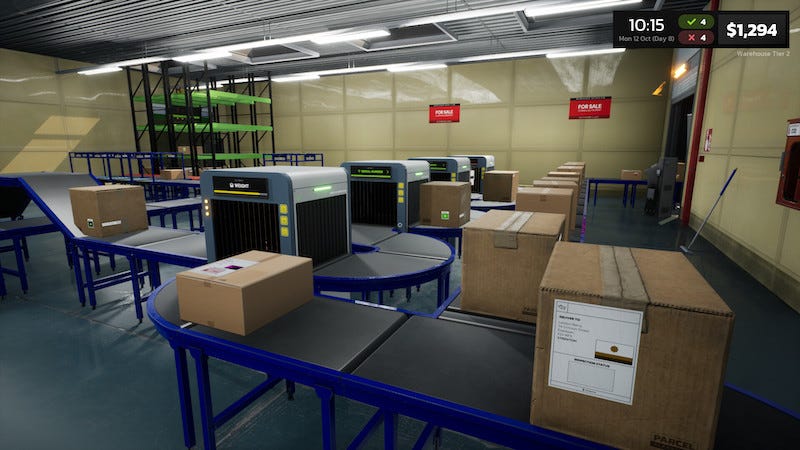
How Parcel Simulator stealthily racked up 50k+ sales...
The GameDiscoverCo newsletter discusses the success of Parcel Simulator, a solo-developed game that achieved over 50,000 sales on Steam. The game's success is attributed to its unique blend of simulation and automation mechanics, effective pre-release playtesting, and leveraging Steam's discovery algorithms. The newsletter also covers industry news, including trends in AI usage in games (7% of Steam games now disclose AI use), and the increasing number of games utilizing AI for asset creation. Finally, it analyzes the competitive simulator market and the challenges of standing out.
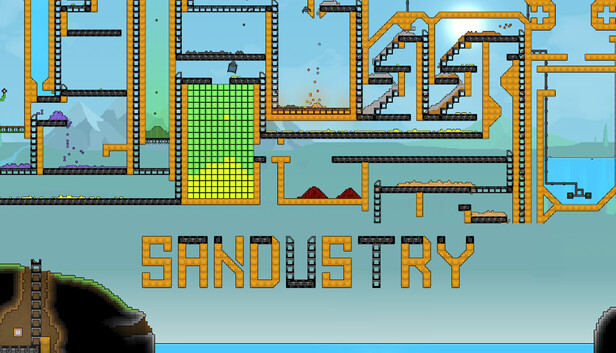
Sandustry on Steam
Sandustry is a forthcoming factory automation game on Steam, developed by Lantto Games and published by Hooded Horse. Players explore and mine a fully destructible world, automating complex production chains. The game features procedurally generated worlds and diverse biomes, emphasizing resource management and base building. It's a single-player game with Steam Achievements and Cloud support, available in multiple languages. Currently, no user reviews are available as the game's release date is still "Coming soon".
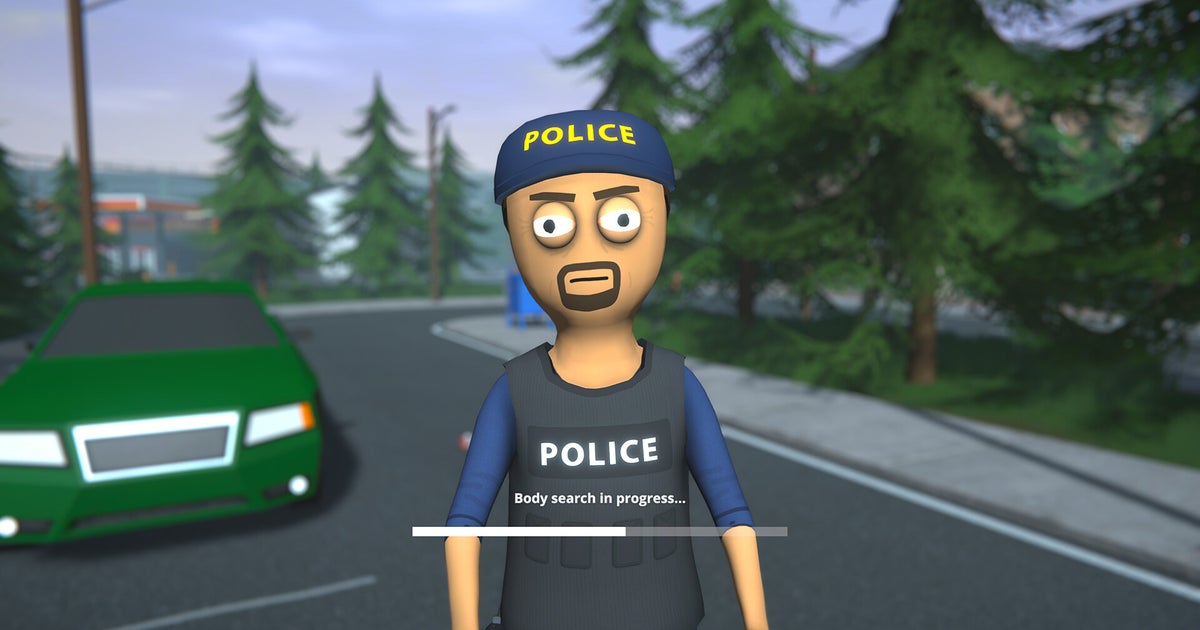
The forces behind the astonishing success of drug dealing simulator Schedule I | GamesIndustry.biz
Schedule I, a solo-developed drug manufacturing and dealing simulator, unexpectedly became a top Steam seller in 2025. Its success stems from a combination of factors: a compelling crime theme filling a market gap left by the delayed Grand Theft Auto 6, a blend of simulation and action gameplay appealing to diverse audiences, and a fortuitous viral spread via streamers and TikTok. A well-received demo further boosted pre-release hype. While its ranking has slightly decreased, consistent updates are planned to maintain its long-term success.

New research backs up what gamers have thought for years: cozy video games can be an antidote to stress and anxiety.
Cozy games, a growing subgenre, offer relaxing gameplay focused on building and community rather than destruction. These games, exemplified by titles like *Animal Crossing*, have surged in popularity, particularly during the pandemic, providing players with a sense of comfort and connection. Research suggests that playing cozy games can improve mental well-being and reduce stress, comparable to mindfulness meditation. The genre's inclusive design and focus on positive interactions create welcoming communities both in-game and online. This contrasts with negative perceptions of gaming, with studies now highlighting the potential mental health benefits of even casual play.