✨ Add Bookmark
Filtering by:productivity

The forces behind the astonishing success of drug dealing simulator Schedule I | GamesIndustry.biz
gamesindustry.biz•7 TAGS
K
Kinshuk SunilJun 13Schedule I, a solo-developed drug manufacturing and dealing simulator, unexpectedly became a top Steam seller in 2025. Its success stems from a combination of factors: a compelling crime theme filling a market gap left by the delayed Grand Theft Auto 6, a blend of simulation and action gameplay appealing to diverse audiences, and a fortuitous viral spread via streamers and TikTok. A well-received demo further boosted pre-release hype. While its ranking has slightly decreased, consistent updates are planned to maintain its long-term success.
Den - The AI Powered Workspace
getden.io•8 TAGS
K
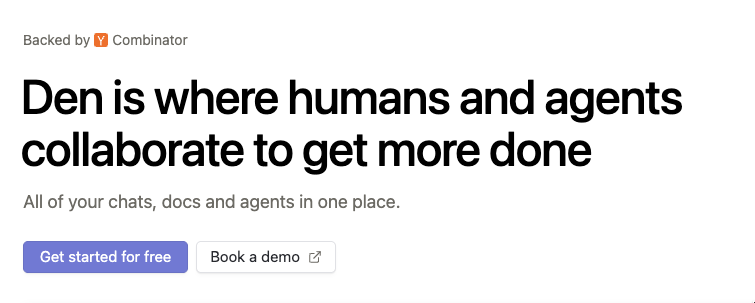
Kinshuk SunilJun 23Den is a multiplayer AI agent builder that integrates with numerous popular apps (50+ integrations listed). It allows human-agent collaboration to streamline workflows, centralizing chats and documents. Users praise Den for its intuitive design and ability to understand business needs better than humans. The platform enables AI-powered task completion and artifact creation, improving team efficiency. Den offers a free version and a demo.

Blueberry AI - Efficient Digital Asset Management for Game, Industrial Design, and Retail
blueberry-ai.com•9 TAGS
Y
Yadu RajivApr 30Blueberry AI's Kiwi Engine provides a browser-based platform for managing 3D digital assets, eliminating the need for bulky software. Its AI-powered features, including search, tagging, and version control, boost efficiency by over 60% and reduce time spent on previews by 40%. The platform facilitates seamless collaboration among internal and external teams, improving workflow and productivity. It caters to various industries, including gaming, advertising, and industrial design, offering significant cost reductions and improved asset availability. A free consultation is available to assess individual needs and demonstrate the platform's capabilities.
GitHub - microsoft/PowerToys: Microsoft PowerToys is a collection of utilities that help you customize Windows and streamline everyday tasks
github.com•4 TAGS
Y
Yadu RajivDec 15Microsoft PowerToys is a collection of utilities designed to customize Windows and streamline tasks. It offers over 25 tools, including FancyZones, PowerRename, and PowerToys Run, to enhance user productivity. The latest release, v0.96, introduces significant improvements to Advanced Paste, Command Palette, and PowerRename, with new AI model support and metadata extraction. Installation is available via .exe downloads, the Microsoft Store, or WinGet. The project is open-source and actively supported by a community of contributors.

Blendo itch uploader by Blendo Games
blendogames.itch.io•7 TAGS
Y
Yadu RajivMay 11Blendo Itch Uploader is a free Windows tool simplifying itch.io project uploads. It provides a graphical interface, eliminating the need for command-line tools. Users create profiles for their projects and upload builds with a single click. The source code is available on GitHub for further development. Despite generally positive reviews, some users have reported initial difficulties, prompting the developer to improve error messaging and documentation.
🔗
Lean Startup Canvas - Example - Draft.io
draft.io•3 TAGS
S
Shagufta KhanMay 8The Lean Startup Canvas, adapted from the Business Model Canvas, helps entrepreneurs test business ideas iteratively. It uses a nine-section framework to define customer problems, value propositions, marketing, revenue, costs, and key metrics, emphasizing a build-measure-learn feedback loop. This loop involves creating a Minimum Viable Product (MVP), gathering customer feedback, and adapting the product based on learnings. The process prioritizes quickly identifying what customers want and avoiding wasted effort. Regular updates to the canvas are crucial as the product develops.
Self-hosted, Open Source Social Media Management - Mixpost
mixpost.app•10 TAGS
Y
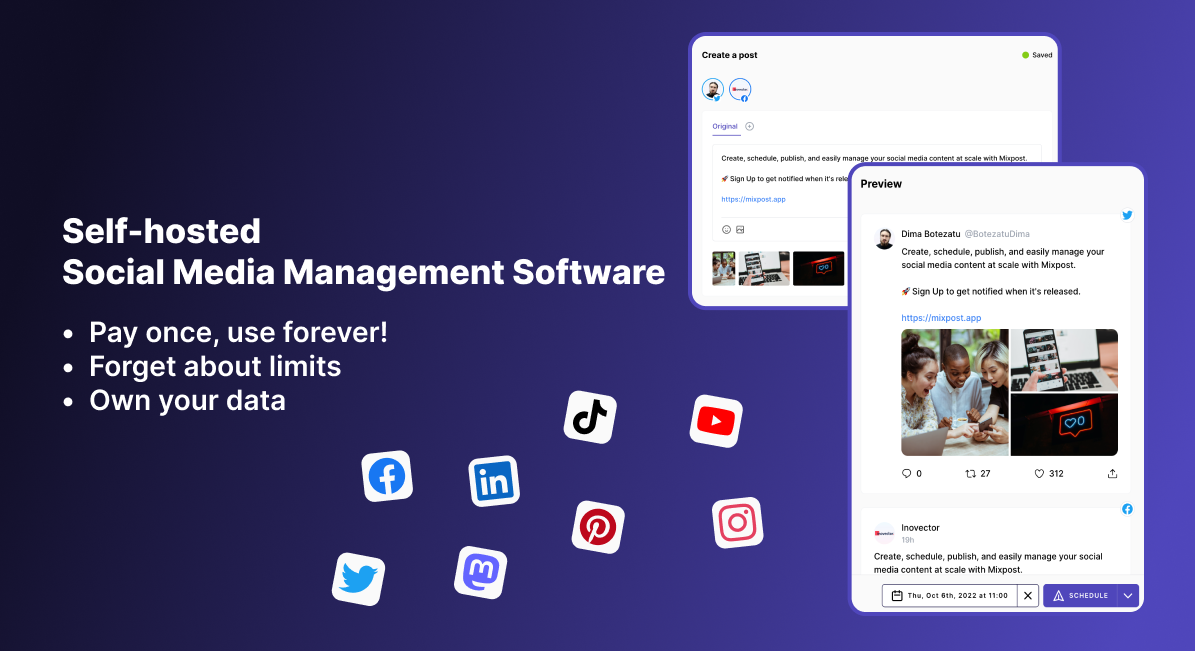
Yadu RajivMay 21Mixpost is a self-hosted, open-source social media management tool offering unlimited scheduling and content organization without monthly fees. It boasts a user-friendly interface with features like calendar scheduling, post composition, analytics, and team collaboration. Mixpost supports numerous social media platforms and offers one-click publishing with customization options. Its one-time purchase model allows users to own their data and white-label the platform. Easy setup via Docker is provided, making it accessible for both individuals and businesses.

Postiz: The All-in-One Social Media Management Tool
postiz.com•7 TAGS
Y
Yadu RajivMay 21Postiz is an open-source social media scheduling tool offering AI-powered content creation, scheduling, analytics, and team collaboration features. It supports numerous platforms including Facebook, Instagram, and TikTok. User testimonials highlight its ease of use, time-saving capabilities, and comprehensive analytics. A 7-day free trial is available, and the platform offers various pricing plans. Postiz prioritizes transparency and user trust through its open-source code and clear cancellation policy.

Powerful Workflow Automation Software & Tools - n8n
n8n.io•5 TAGS
Y
Yadu RajivMay 4n8n is a flexible workflow automation platform popular with technical teams, offering both code-based precision and drag-and-drop speed. It integrates with numerous apps and allows building multi-step AI agents. Used by major companies like Cisco and Microsoft, n8n boasts high user ratings and a large community. Its features include on-prem and cloud hosting, code/UI flexibility, and rapid iteration capabilities. Case studies demonstrate significant time savings and efficiency gains through n8n's automation.
Google Dropped AI Agents Directly Into Workspace and It's Insane
youtube.com•8 TAGS
K
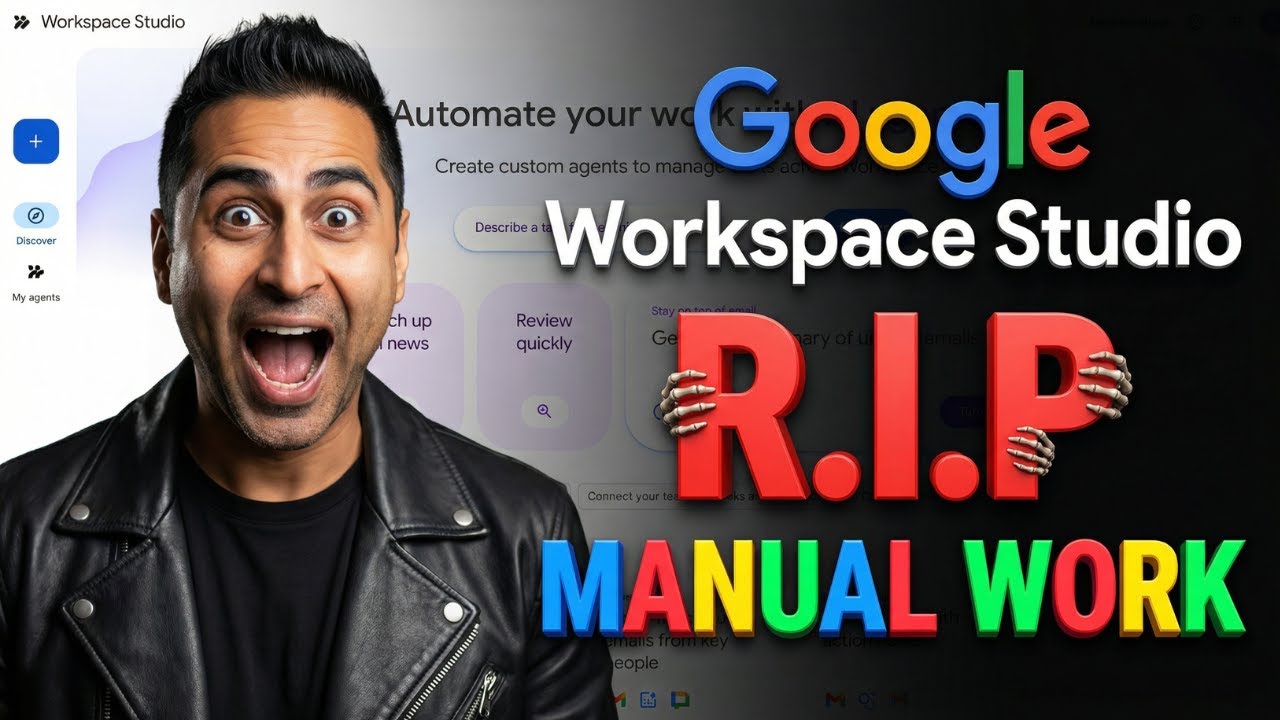
Kinshuk SunilDec 10This video introduces Google Workspace Studio, a powerful new no-code platform that embeds Gemini AI directly into Google Workspace to help users build intelligent automation agents using natural language. The presenter demonstrates how to create complex workflows without coding, showcasing examples like a meeting preparation agent that scans emails for context and "red flags" before notifying the user, and a form submission agent that analyzes responses to send personalized follow-up emails. The tool supports advanced logic, decision-making loops, and integration with third-party apps like Salesforce and Jira, as well as the ability to use custom "Gems" and webhooks for broader connectivity within the business ecosystem.

Vanity Metrics vs Actionable Metrics - Lean Startup | Boldare - Digital Product Development & Design Company
boldare.com•6 TAGS
S
Shagufta KhanMay 8This Boldare blog post by Adam Ziemba discusses the importance of distinguishing between vanity and actionable metrics in lean startup methodology. Vanity metrics, like website hits, offer superficial data, while actionable metrics, such as sales figures, provide useful insights for product improvement. The article emphasizes the Build-Measure-Learn cycle and how actionable metrics guide decision-making throughout this process. Using actionable metrics improves team performance and product development, unlike vanity metrics which can hinder progress and create conflict. Boldare uses this approach, illustrated by a case study of their own company's development.
Raycast - Your shortcut to everything
raycast.com•6 TAGS
K
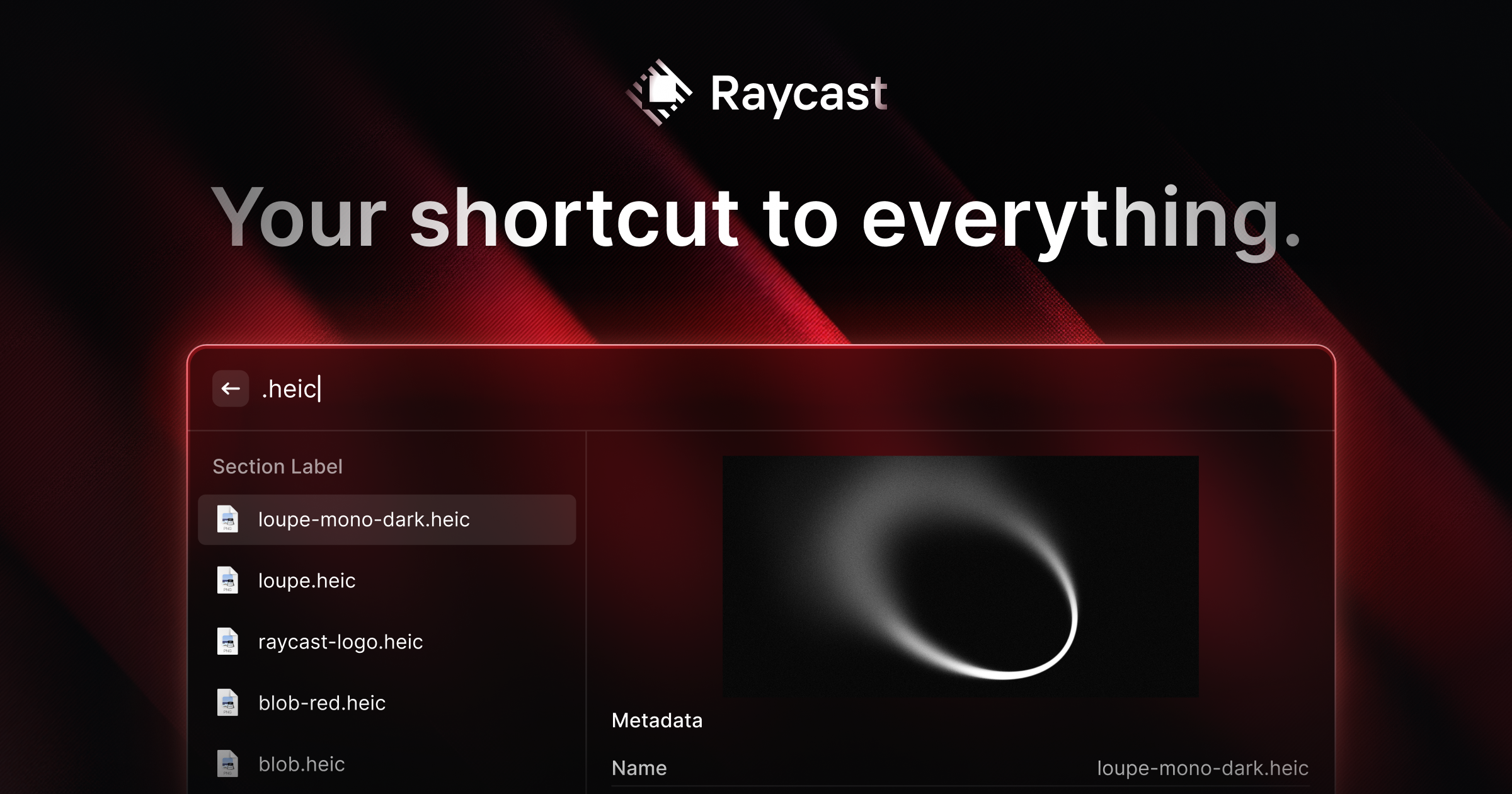
Kinshuk SunilJun 29Raycast is a fast, ergonomic productivity launcher with thousands of extendable tools. It boasts a 99.8% crash-free rate and integrates with popular apps like Slack, Spotify, and Notion. Users can create custom AI commands and snippets to automate tasks. An extensive extension API allows developers to build native extensions using React, TypeScript, and Node. Raycast is free to download for Mac, with a Windows waitlist.

Advice for Gaming Startups : YC Startup Library | Y Combinator
ycombinator.com•6 TAGS
K
Kinshuk SunilNov 25Holly Liu, co-founder of Kabam, shares insights into the gaming industry. She discusses the intricacies of working within this dynamic field. Liu also outlines effective approaches to understanding the market. Her advice focuses on strategies crucial for achieving success in gaming.
ActivityWatch - Open-source time tracker
activitywatch.net•4 TAGS
Y
Yadu RajivJul 28ActivityWatch is an open-source, privacy-focused app that tracks time spent on devices across multiple platforms. It offers detailed insights into app usage, project time allocation, and screen habits, helping users improve productivity and understand their digital behavior. Features include browser and editor plugins, local data storage, and (future) synchronization across devices. The project is community-driven, accepting contributions and donations to support its ongoing development. Users can find support and engage with the community through various online channels.

How to manage all your media at home like a pro
xda-developers.com•6 TAGS
K
Kinshuk SunilMay 13This article recommends Docker containers for managing home media. Plex and Jellyfin are highlighted as excellent streaming options, with Jellyfin praised for its lightweight nature. Immich is suggested for photo and video backup, offering a free and feature-rich alternative to cloud services. Ombi facilitates user requests for new media additions. Finally, the importance of robust backups using the 3-2-1 rule is emphasized.
Welcome to Obvious University! | Obvious University
university.obvious.in•7 TAGS
K
Kinshuk SunilJun 13Obvious University is a public collection of how-to guides for building digital products and fostering a positive company culture. It covers topics including product strategy, user research, AI integration, design principles (typography, microcopy, design systems), mobile engineering, and project management. The resources are intended for employees, potential hires, and anyone interested in product development. The university emphasizes practical application and is based on Obvious's core values of curiosity, craft, and compounding. It aims to create a collaborative environment and improve individual and collective output.